After migration and optimization comes the real test: keeping AWS environments stable, secure, and cost-efficient over time. Cloud operations become a daily responsibility, not a one-time project. You can’t just set it and forget it.
Unmanaged AWS environments tend to drift. Costs grow. Performance degrades. Incidents become more frequent. According to our data, this happens within six to twelve months for most companies. Managed service providers (MSPs) handle continuous monitoring, optimization, and support so you don’t have to.
What AWS Managed Services Actually Include
AWS managed services go beyond basic support tickets. They include monitoring, automation, incident response, and infrastructure management across your entire system. Not just when something breaks.
Businesses typically expect MSPs to handle multiple operational layers simultaneously. You can’t separate monitoring from cost management or security from performance tuning. Key responsibilities include:
- 24/7 monitoring and incident response;
- Infrastructure maintenance and updates;
- Cost tracking and optimization;
- Security management and compliance checks;
- Performance tuning and system reliability.
MSPs keep systems running smoothly without constant internal involvement. That’s the whole point.
Why Companies Outsource AWS Operations
Maintaining AWS internally requires a dedicated team. You need expertise in DevOps, security, and cost management all at once. Most companies simply don’t have the resources for continuous cloud operations. Honestly, it’s expensive to build.
Outsourcing AWS operations solves multiple problems at the same time. It’s not just about saving money. Main reasons companies make the switch include:
- Reduced operational workload for internal teams;
- Faster incident response and system recovery;
- Better cost control and visibility;
- Access to experienced cloud engineers;
- Continuous system improvements.
MSPs let you focus on product development instead of infrastructure maintenance. That trade-off makes sense for most businesses.
What to Look for in an AWS Managed Service Provider
Not all MSPs provide the same level of service. Some just monitor dashboards. Others actively optimize your environment. You need to evaluate providers based on real operational capabilities, not sales pitches.
Key criteria to assess before signing any agreement include:
- 24/7 support availability and SLA guarantees;
- Experience with AWS infrastructure at scale;
- Cost optimization practices and reporting;
- Security and compliance expertise;
- Automation and monitoring capabilities.
The right MSP proactively manages your systems. They don’t just react when things fail.
1. Geniusee

Geniusee launched in 2017 as a cloud and software development company. The team has 300+ specialists and has delivered 180+ projects. They support both startups and enterprise clients as a flexible partner. Their expertise includes managing and optimizing infrastructure on AWS cloud services. Certifications include AWS Advanced Tier, ISO, and ISTQB. Industries they know: FinTech and EdTech.
Capabilities and Focus
Geniusee focuses on ongoing AWS support, performance optimization, and infrastructure stability. They don’t treat managed services as an afterthought. Their approach combines operations with continuous improvement. Key capabilities include:
- Continuous infrastructure monitoring and support;
- Performance optimization and scalability improvements;
- Cost control and resource management;
- DevOps automation and system maintenance.
Geniusee suits companies that need operational support plus technical improvements. Not just someone to answer the phone at 3 AM.
Best Fit and Use Cases
Geniusee works well for companies already running on AWS. If you need stable operations, predictable costs, and ongoing optimization, they’re worth considering. Suitable for SaaS platforms and growing products where downtime isn’t an option.
2. ClearScale
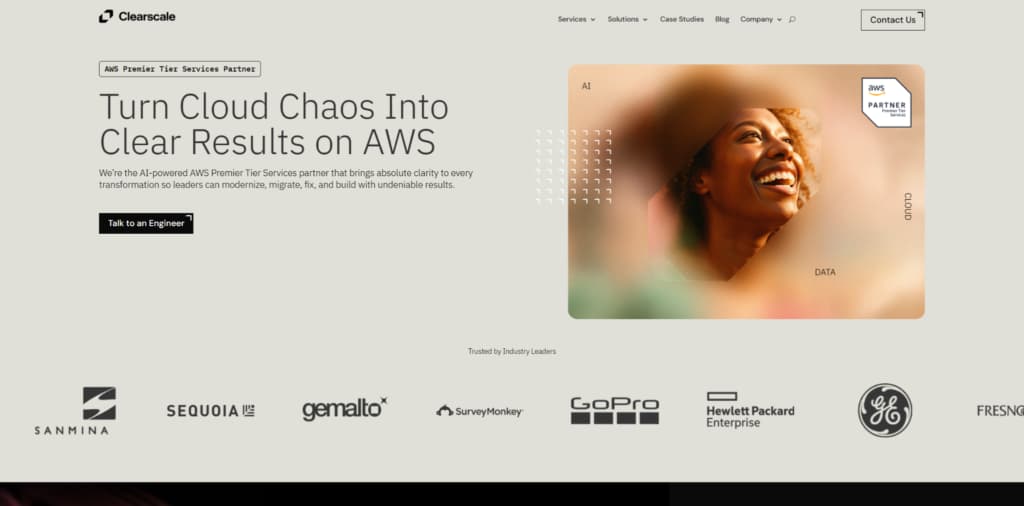
ClearScale is an AWS-focused managed service provider. They specialize in migration, operations, and cloud optimization. Their alignment with the AWS ecosystem runs deep.
Capabilities and Focus
ClearScale helps companies run AWS environments without constant internal babysitting. They emphasize automation and proactive monitoring. Core capabilities include:
- 24/7 infrastructure monitoring and support;
- Cloud migration and modernization;
- Cost optimization and FinOps;
- Security and compliance management.
For companies wanting a pure-play AWS MSP with strong technical depth, ClearScale fits.
3. CloudHesive
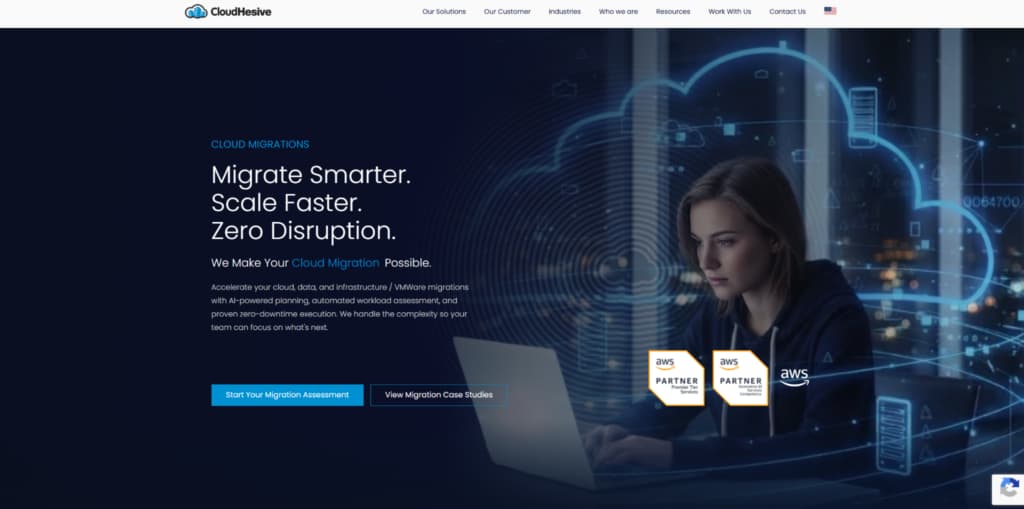
CloudHesive focuses on AWS managed services and cloud operations. They work with mid-market and enterprise clients. Their approach emphasizes reliability and cost predictability.
Capabilities and Focus
CloudHesive handles day-to-day AWS operations so internal teams can focus on product work. They don’t overcomplicate things. Key capabilities include:
- Infrastructure monitoring and incident response;
- Cost management and optimization;
- Security and compliance automation;
- DevOps and CI/CD support.
Companies with moderate AWS complexity will find CloudHesive’s approach practical.
4. Presidio
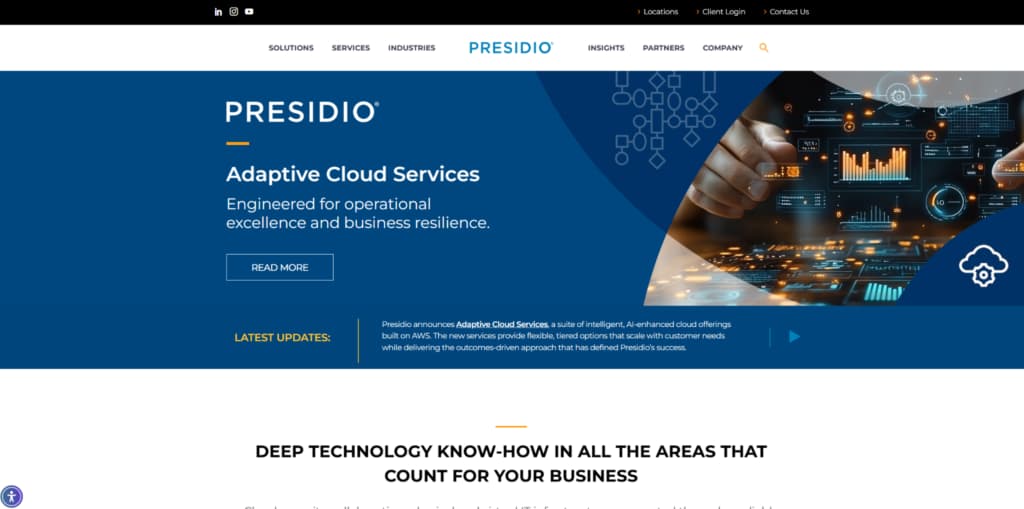
Presidio provides AWS managed services alongside broader IT consulting. They work with larger enterprises. Their strength lies in combining cloud operations with existing IT infrastructure.
Capabilities and Focus
Presidio helps enterprises run AWS environments at scale. They integrate cloud operations with on-premises systems when needed. Core capabilities include:
- Managed cloud infrastructure and support;
- Cost optimization and governance;
- Security and compliance management;
- Multi-cloud and hybrid operations.
For enterprises with complex existing IT setups, Presidio brings useful experience.
5. Skaylink
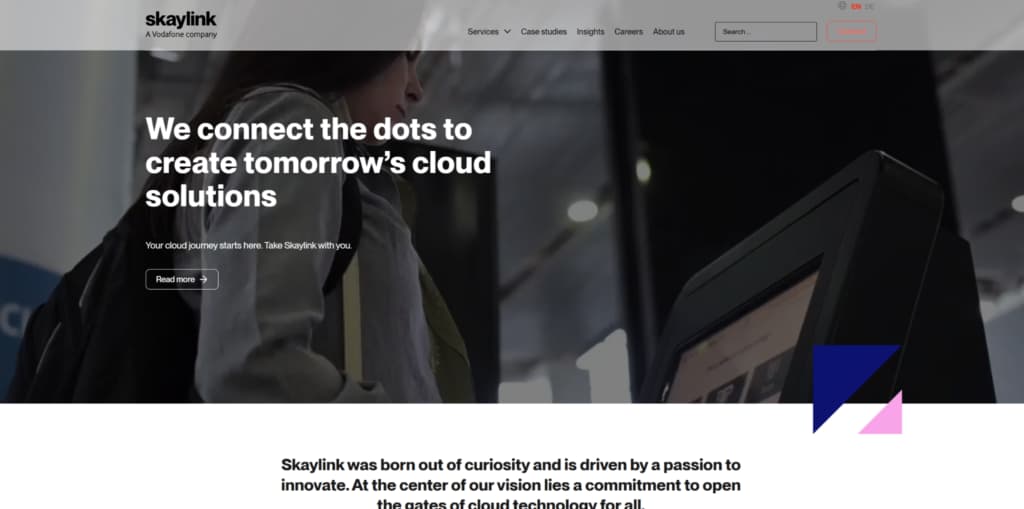
Skaylink focuses on AWS managed services for European clients. They emphasize security, compliance, and operational excellence. Their approach suits regulated industries.
Capabilities and Focus
Skaylink helps companies run AWS environments with strong governance. They don’t cut corners on compliance. Key capabilities include:
- Infrastructure monitoring and operations;
- Cost control and optimization;
- Security and compliance management;
- Automation and DevOps practices.
European companies with regulatory requirements will appreciate Skaylink’s focus.
How to Choose the Right AWS MSP
Choosing an MSP depends on your operational needs and system complexity. A small startup needs different support than a bank. You can’t copy someone else’s decision.
Key decision factors to work through before selecting a provider include:
- System size and infrastructure complexity;
- Required level of support (24/7 or not);
- Budget and cost control priorities;
- Security and compliance requirements;
- Long-term scalability goals.
The right MSP ensures stability, efficiency, and predictable cloud operations. The wrong one creates more problems than it solves.
Final Thoughts
We think AWS managed services make or break long-term stability. Invest in proper operations and you avoid downtime, plain and simple. Costs drop. Scaling gets easier. The five providers above? Each has a different focus. Match their strengths to your actual workload. Or just pick the lowest price and cross your fingers. Your call.